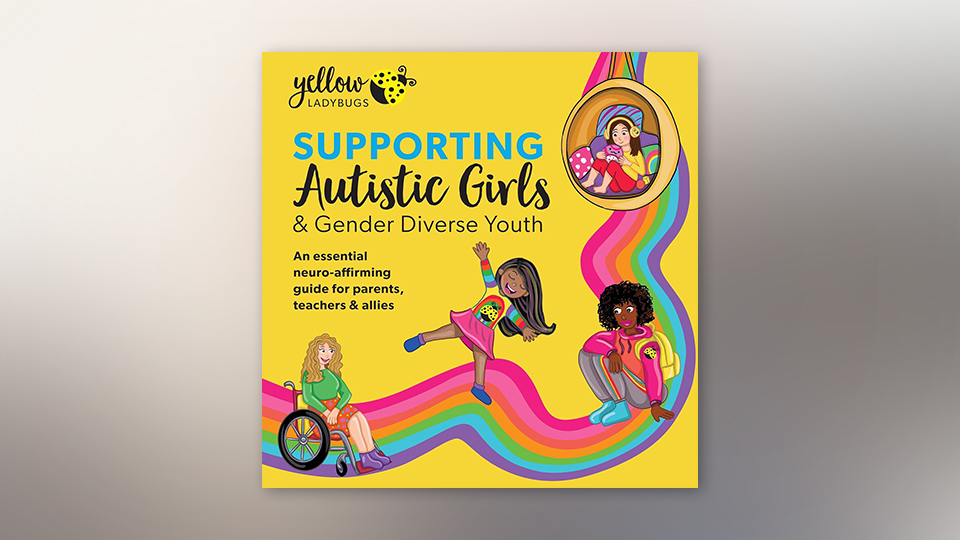
Want to know how to better support autistic girls and gender diverse youth? Get our hands on this authentic resource for parents, teachers, and allied health professionals alike, written and illustrated by autistic women and gender diverse individuals. You will be given the inside scoop, through their intimate knowledge, recollections, and advice from growing up autistic, and come away with an enriched and deeper understanding of what it is like to be #actuallyautistic.
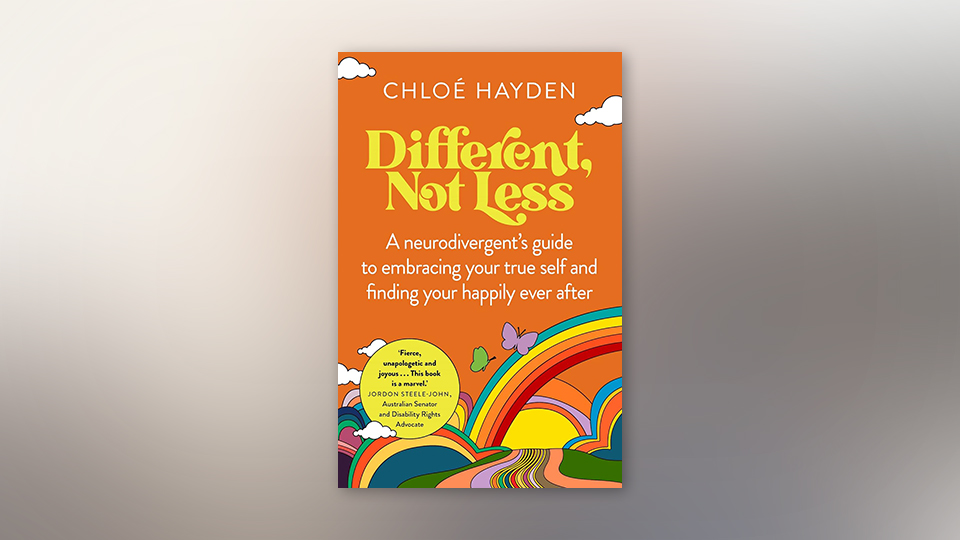
A neurodivergent’s guide to embracing your true self and finding your happily ever after.
Recommended Ages: 10–14 years
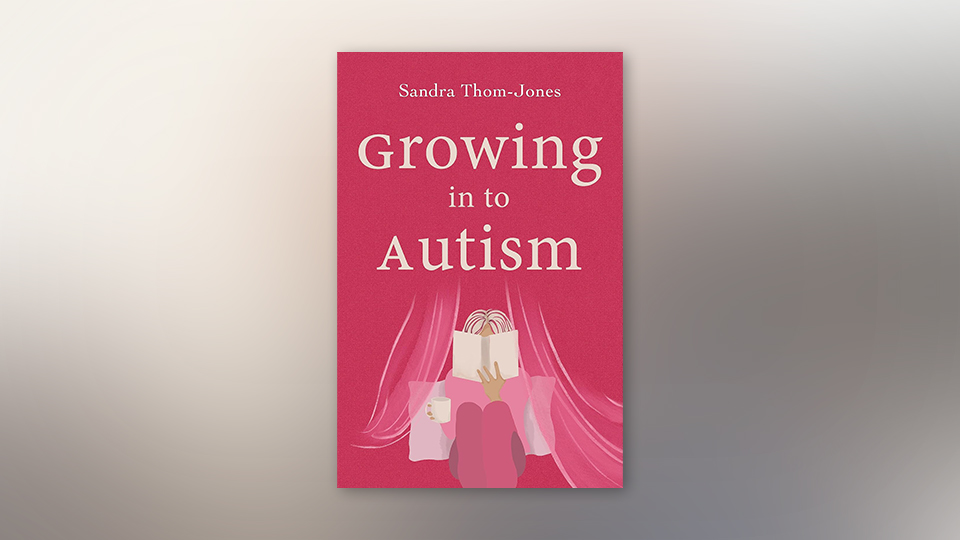
From the outside looking in, Sandra Thom-Jones was living a successful lif- she had a great career, a beautiful home, a caring husband, two loving sons and supportive friends. But from the inside looking out, she was struggling to make sense of her place in the world, constantly feeling overwhelmed and exhausted, and convinced that her challenges with daily life just meant that she had to try harder. In Growing In to Autism , Thom-Jones tells the story of gradually realizing that she was autistic, and that she experienced the world in ways which were markedly different from neurotypical people.
Recommended Ages: ADULT
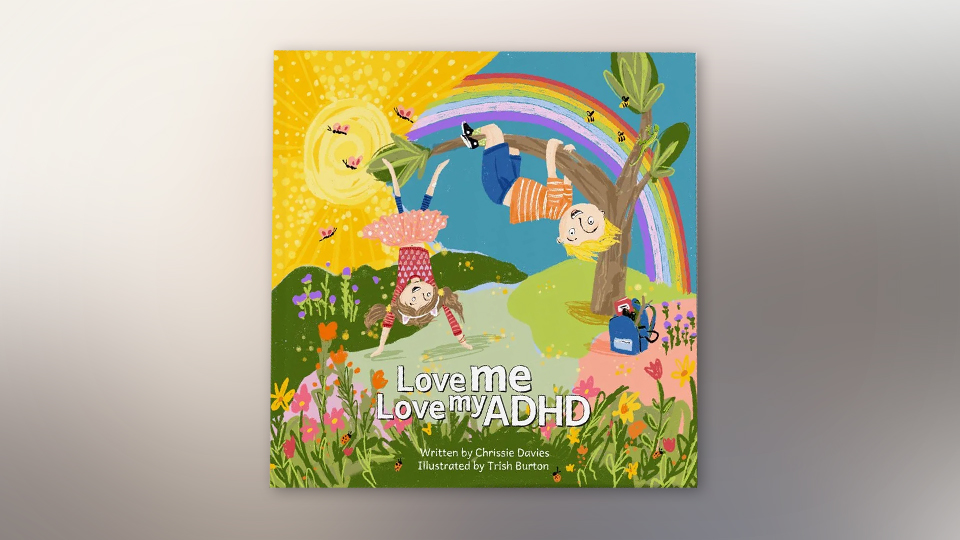
Love Me, Love My ADHD is a heart-warming book that shines a light on
the world of children (and families) living with ADHD. Focusing on the strengths and challenges that come with being an ADHDer, this book emphasizes that ADHD is not a one-size-fits-all experience and that no two ADHDers are the same.
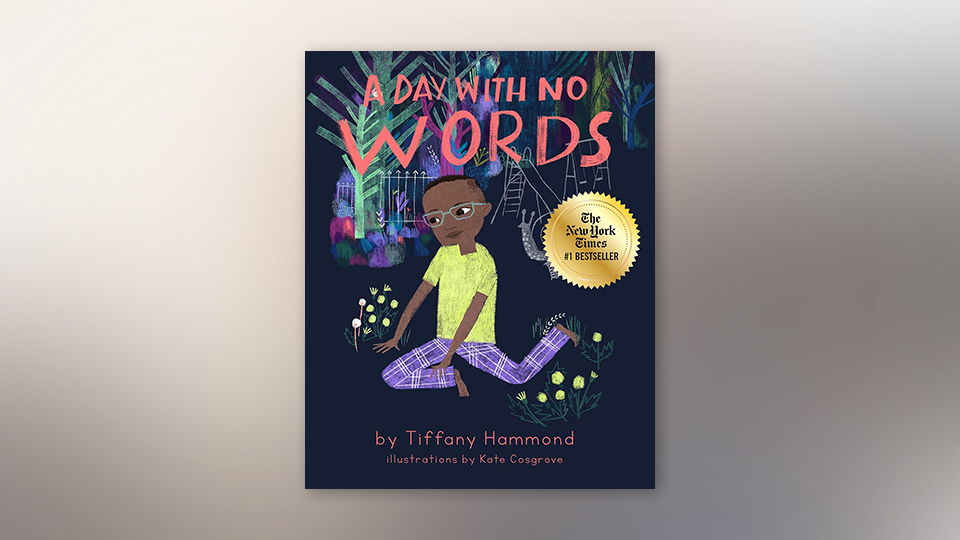
A beautifully illustrated story about a non-speaking autistic boy and his mother’s journey through a day together, showing how connection and communication happen in many different ways — even without words.
Recommended Age: 4–8 years
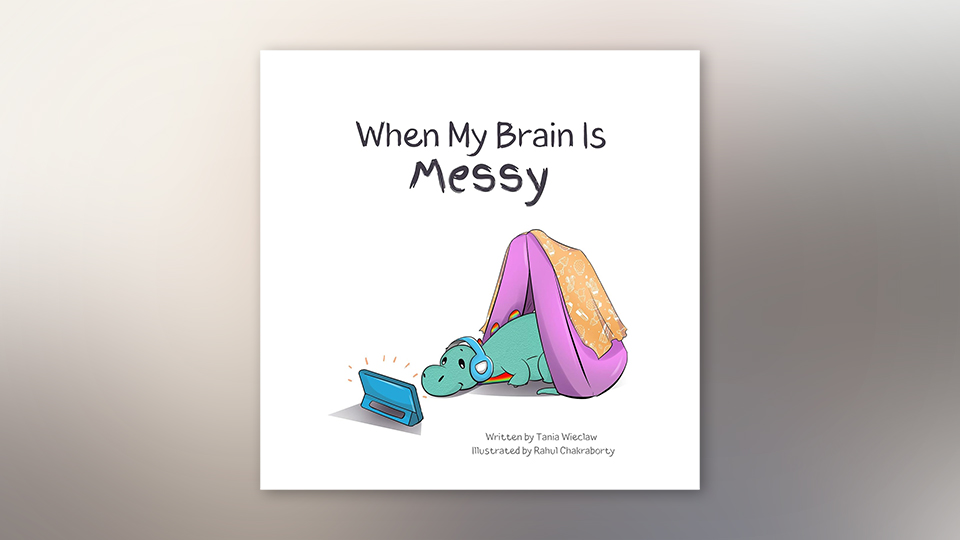
A comforting, relatable story that helps children recognise and name their big feelings when things feel overwhelming. It provides gentle strategies for calming the body and mind.
Recommended Age: 3–8 years
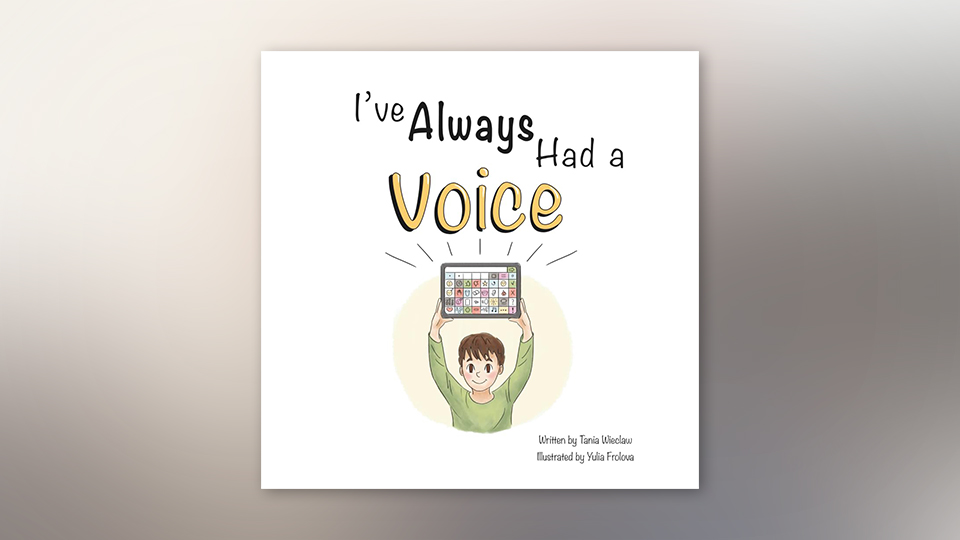
I’ve Always Had a Voice is a gentle, rhyming picture book for ages 2-5 that
celebrates all the ways children communicate – spoken and unspoken. Whether through AAC, sign language, gestures, or facial expressions, this story validates non-speaking communication in a joyful, affirming way. Repeated lines create comfort and predictability, supporting children with developing language skills or communication differences. A beautiful resource for families, educators, and therapists who believe every child deserves
to feel heard.
Recommended Age: 2-5 years
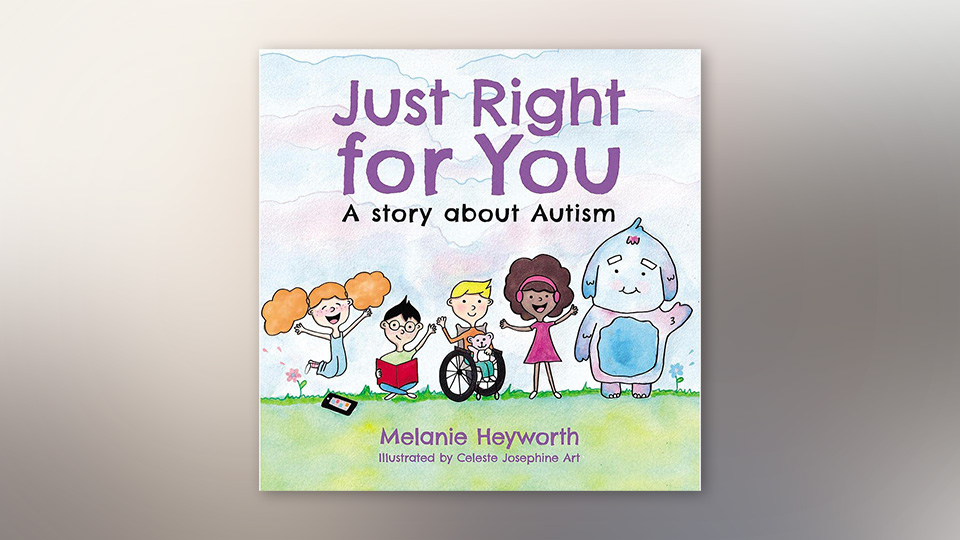
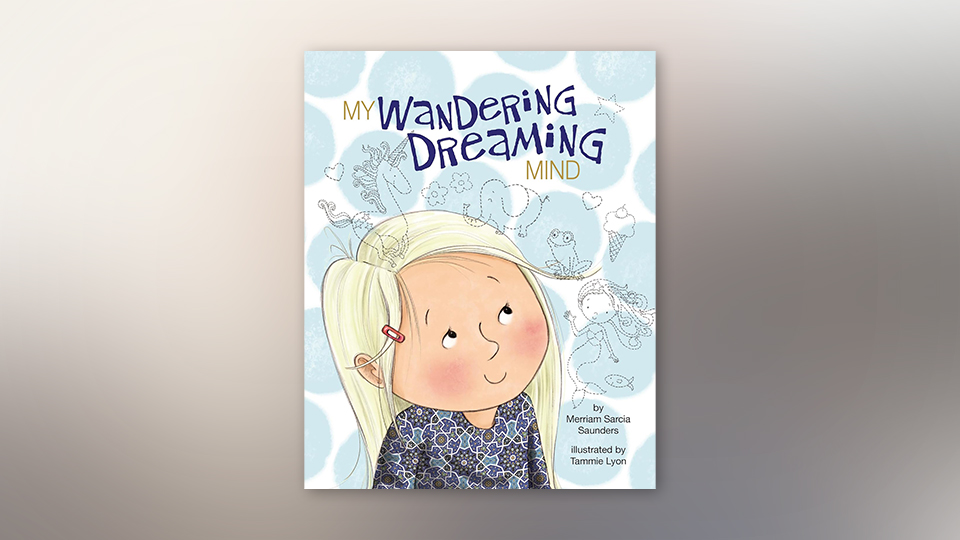
This affirming picture book celebrates neurodiversity and supports children in understanding and embracing their unique way of being in the world.
Recommended Age: 3–7 years
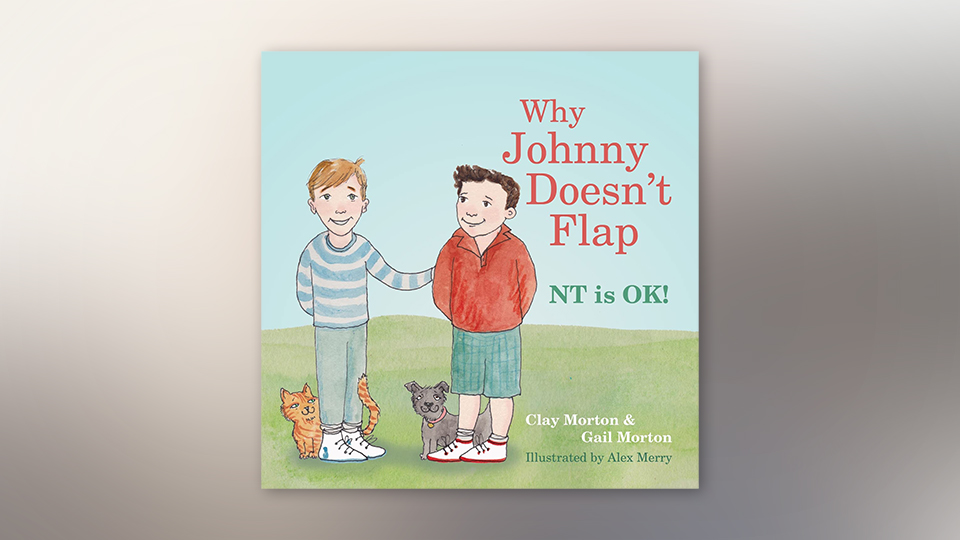
Told from the perspective of an autistic boy, this reverse-narrative flips the script to highlight neurodivergent logic and strengths — helping all readers better understand autism.
Recommended Age: 6–10 years
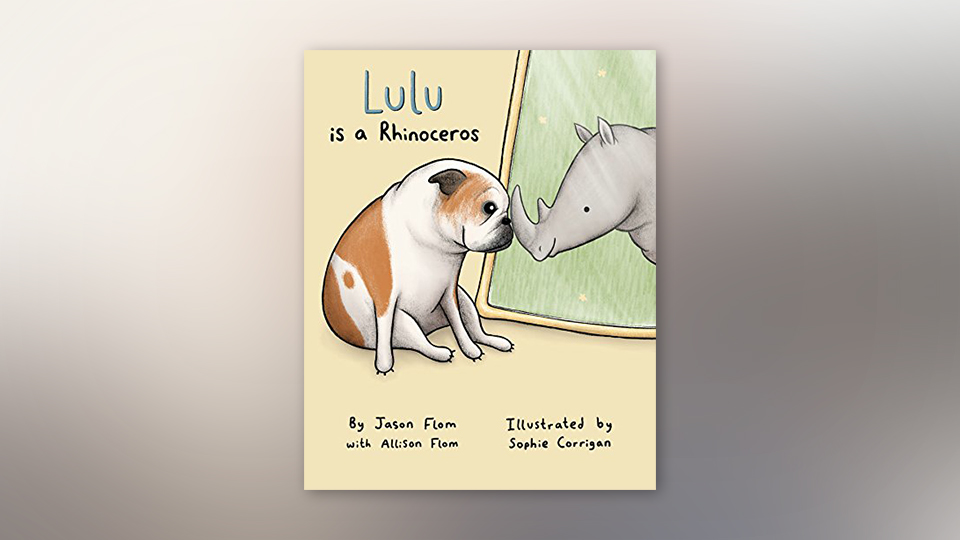
A heartwarming story about identity, self-expression, and being seen forwho you really are — told through the journey of Lulu, a bulldog who knows she’s a rhinoceros.
Recommended Age: 4–8 years
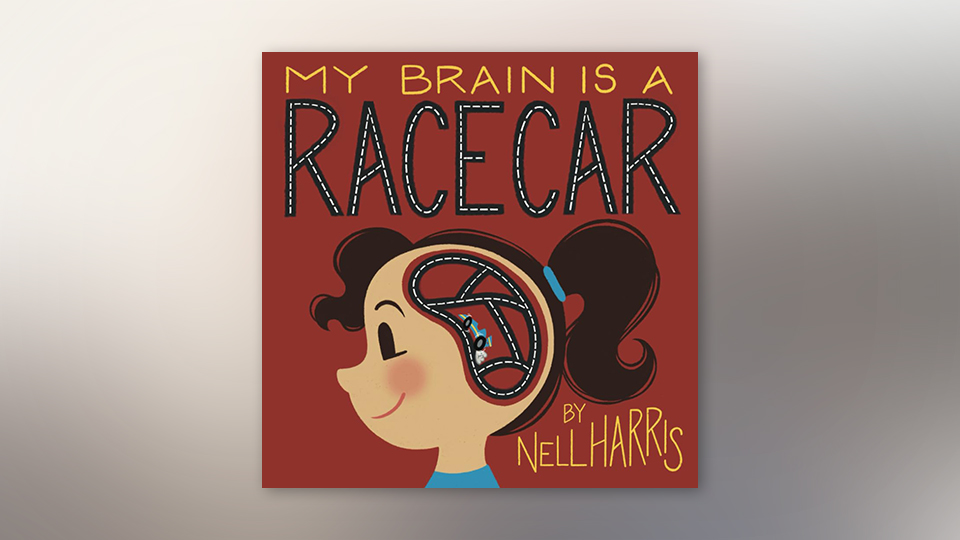
This energetic book helps kids understand ADHD by comparing the fast-paced brain to a race car — highlighting both the challenges and unique strengths
that come with it.
Recommended Age: 4–9 years
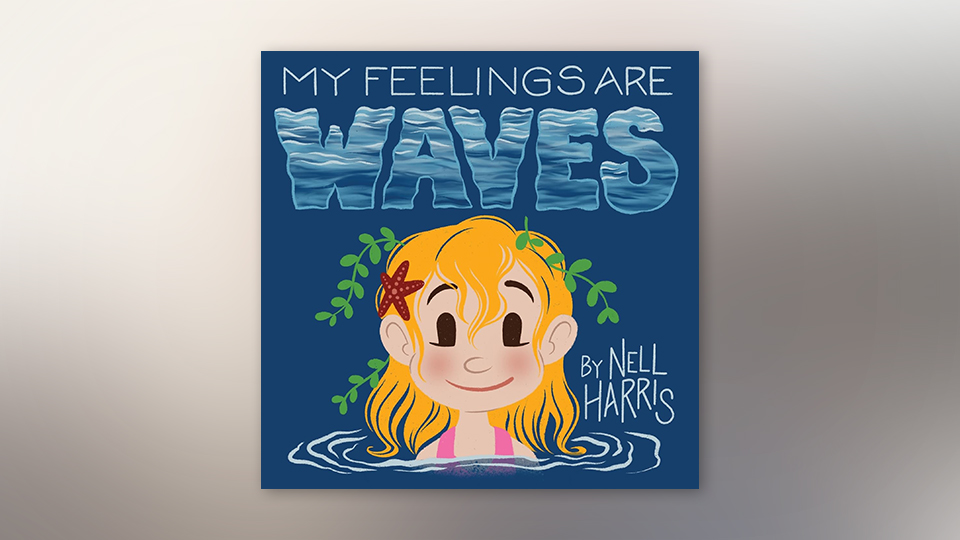
My Feelings are Waves is a book that talks about how we can swept up in
big feelings – like a wave at the beach does before it dunks us. We ride our feelings like we do a wave, but every wave is different, some bigger, some smaller, some easy to hop off, some make us wipe out.
Recommended Age: 3-8 years
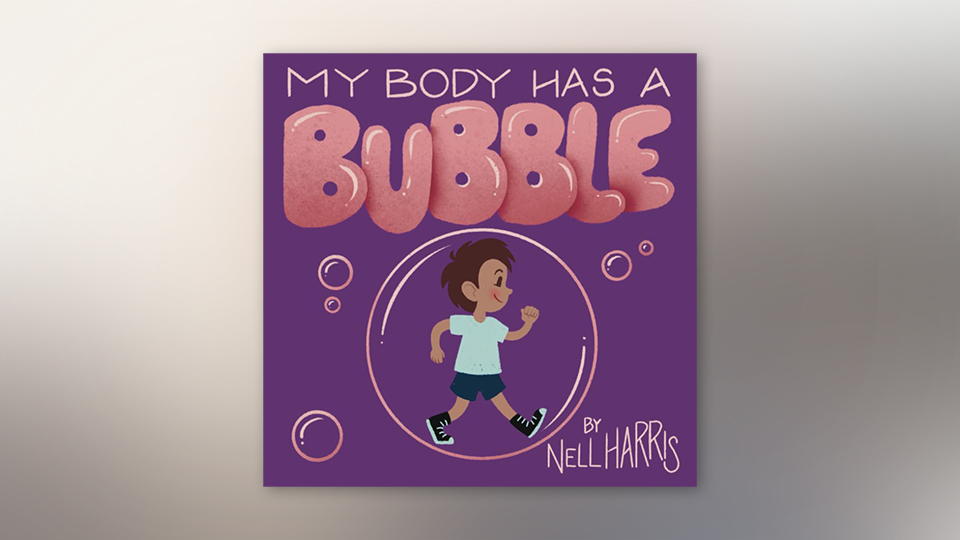
A book about personal space represented by a bubble described in my words. Inside that bubble is more bubbles, all of them representing a different layer – but all these bubbles are invisible to the eye so we need to learn how to protect our own bubbles and respect others!.
Recommended Age: Baby–9 years
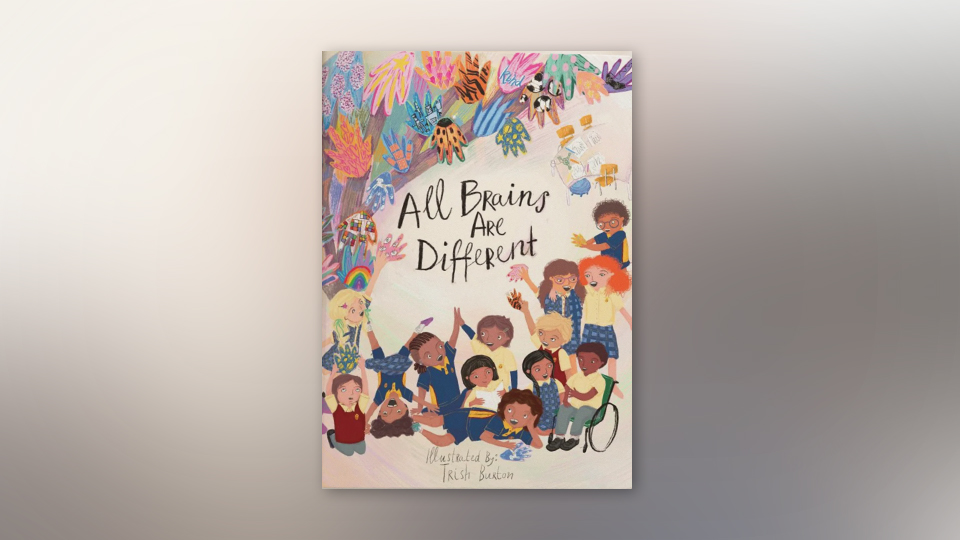
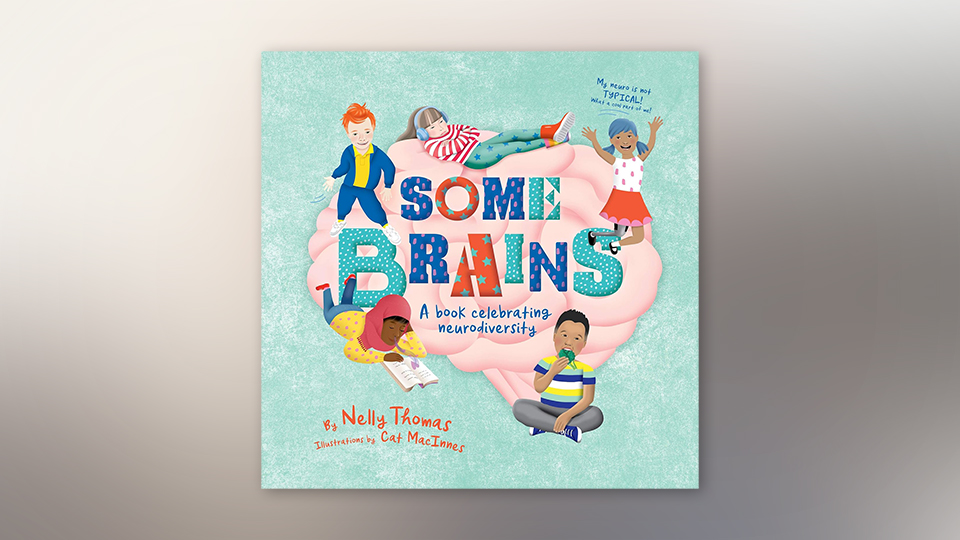
A joyful and inclusive introduction to neurodiversity, featuring real-world examples that encourage children to appreciate all kinds of brains.
Recommended Age: 3–8 years
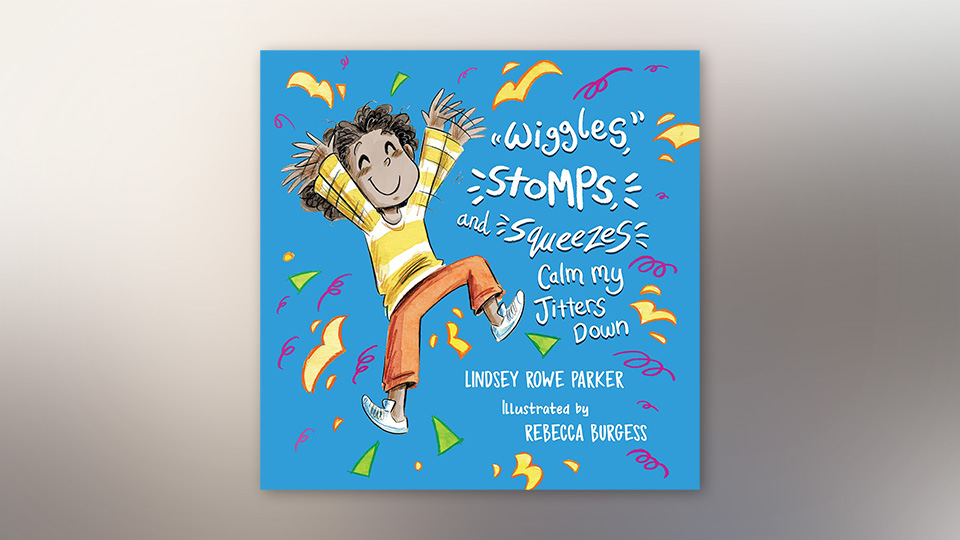
A vibrant story about sensory differences and regulation strategies, told from a child’s point of view. It encourages kids to honour their bodies and their needs.
Recommended Age: 4–8 years
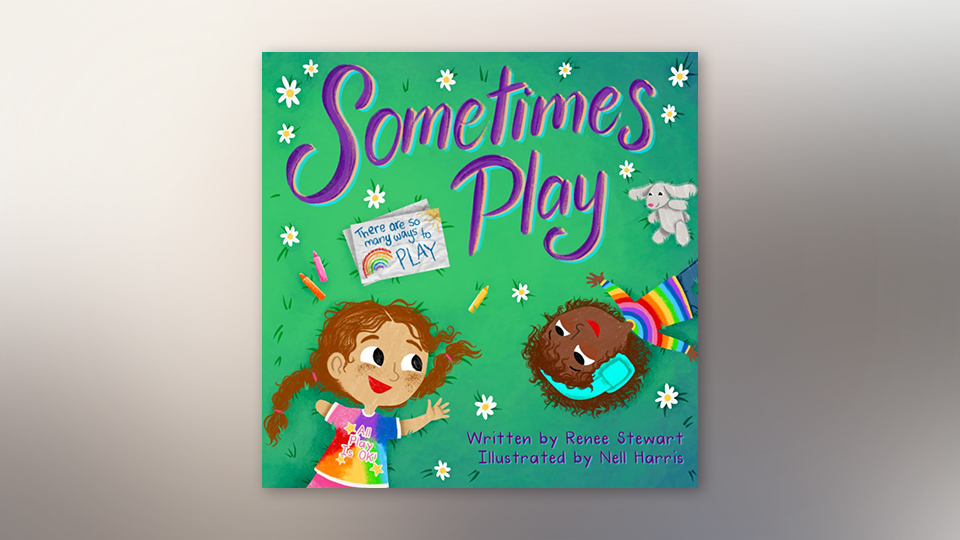
This gentle picture book explores how different types of play feel for neurodivergent kids, validating all ways of engaging with the world and supporting inclusion.
Recommended Age: 4–9 years
A supportive story for children with ADHD or busy brains, helping them understand their focus challenges and develop self-compassion and coping tools.
Recommended Age: 5–9 years
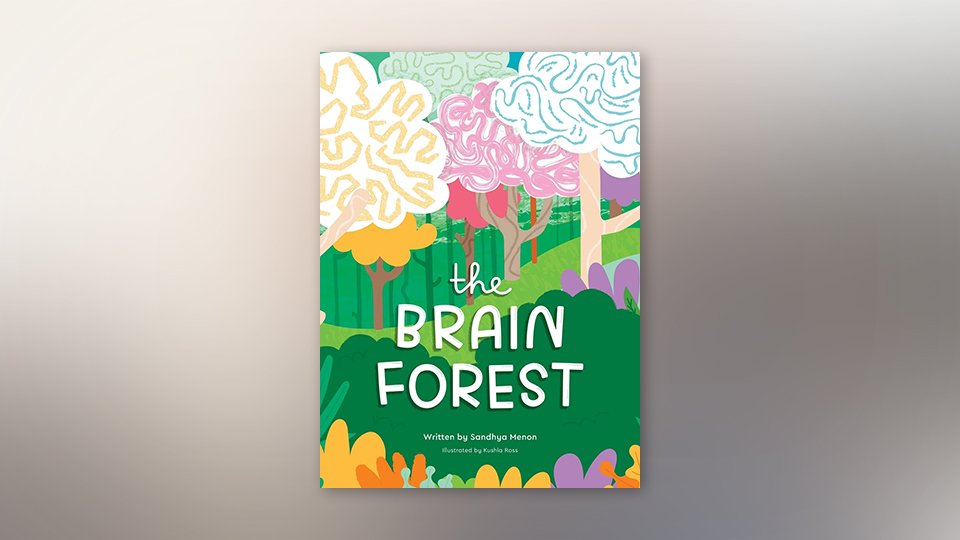
The Brain Forest is a heartwarming children’s book that celebrates neurodiversity. It introduces young readers to various brain types, including Autism, ADHD, Dyslexia, OCD, and more, through the journey of a mother and her son exploring the diverse ways brains can function. The book emphasizes a strengths-based perspective, promoting understanding and inclusion.
Recommended Age: 5–10 years
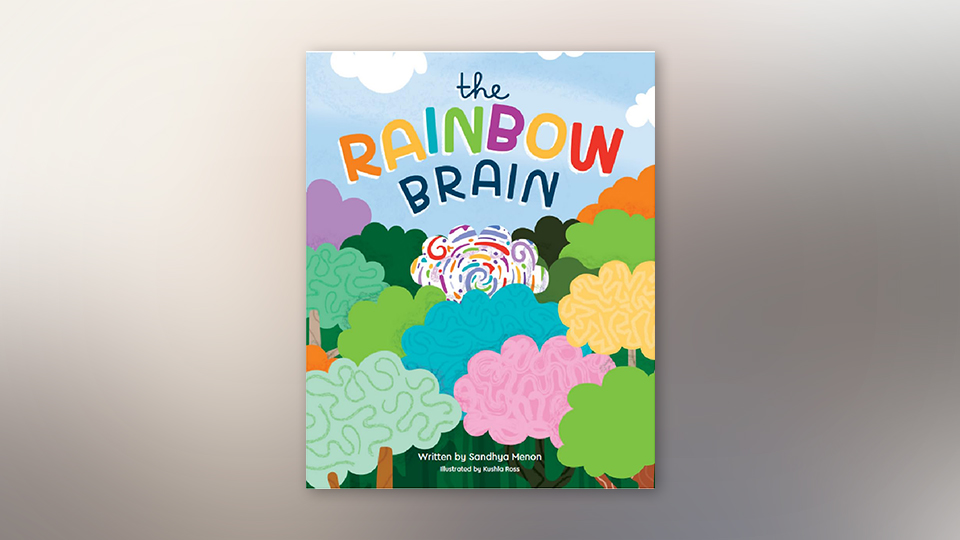
The Rainbow Brain is a vibrant follow-up to The Brain Forest, focusing on the experiences of children who are both autistic and ADHD (AuADHD). The book provides a neuro-affirming introduction to identity, encouraging children to explore and celebrate their uniqueness while understanding their accommodations. It continues
the journey with familiar illustrations and themes, making it relatable for readers.
Recommended Age: 6–10 years
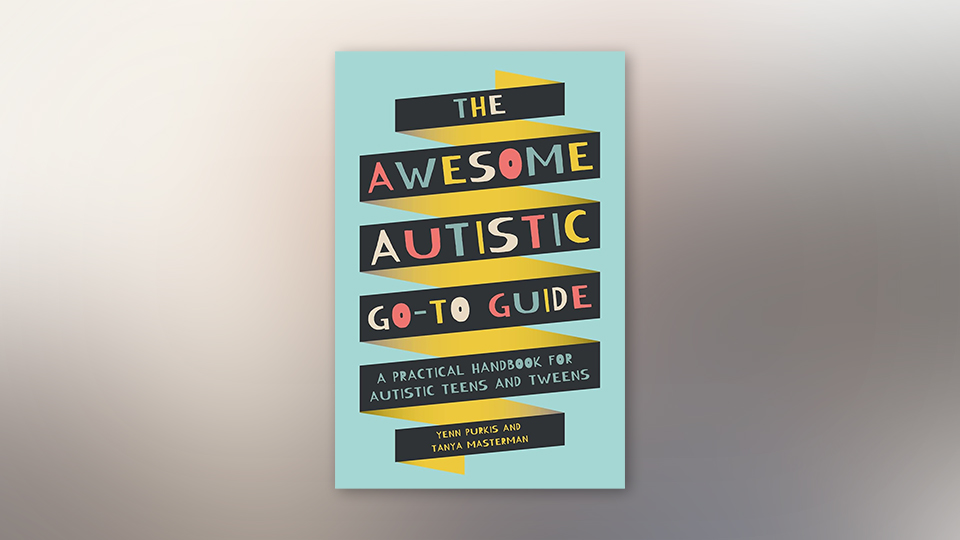
A strengths-based, practical guide for autistic teens and tweens covering topics like friendships, emotions, school, and advocacy — with insights from autistic adults.
Recommended Age: 10–14 years
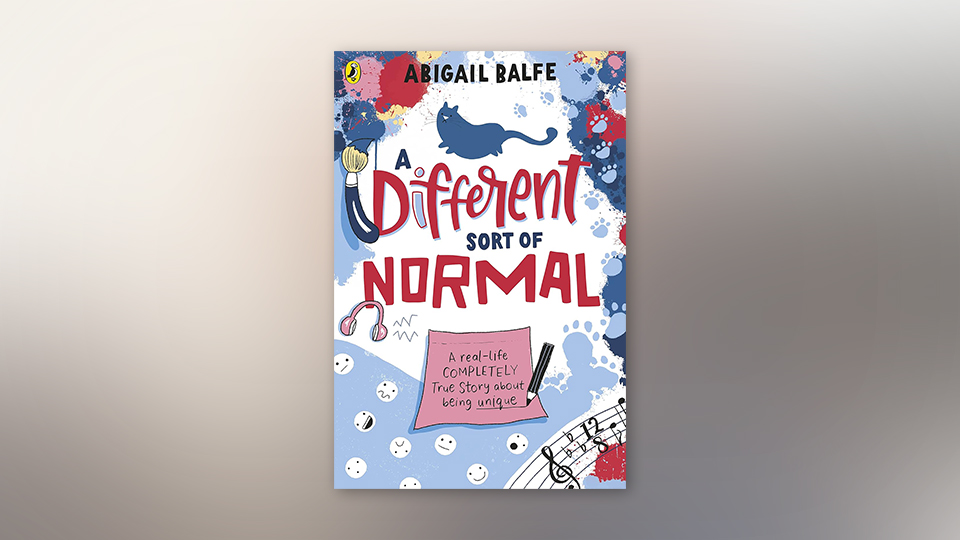
A part memoir, part guide for neurodivergent kids, this book follows Abigail’s experience growing up undiagnosed autistic and ADHD. Full of humour, drawings, and heartfelt advice, it helps readers feel seen and celebrated.
Recommended Age: 10–14 years
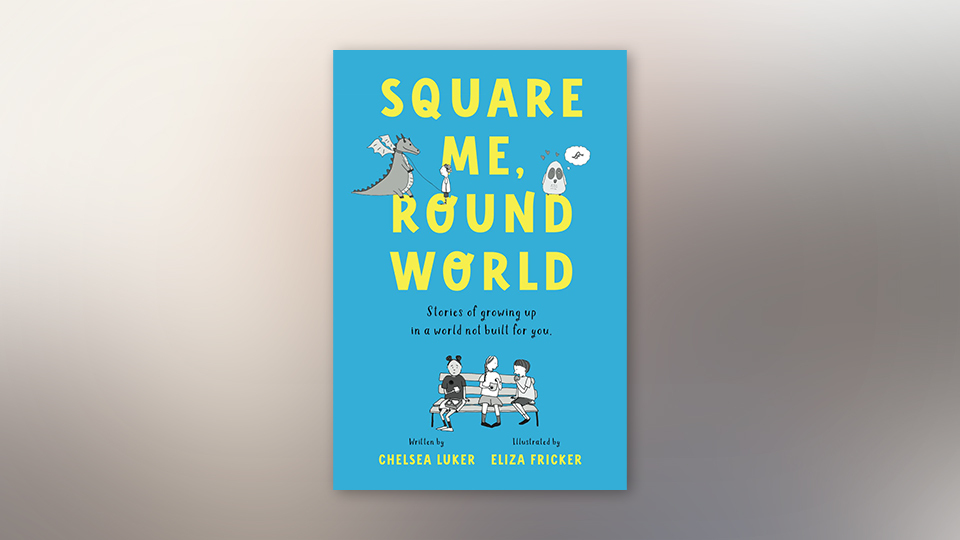
Ever felt like a square peg in a round hole? Dive into tales of growing up in a world where you just don’t seem to fit in. From the challenges of making friends and masking your authentic self, to the overwhelm of sensory overload and restless nights, these stories will resonate with those who know what it’s like to feel different.
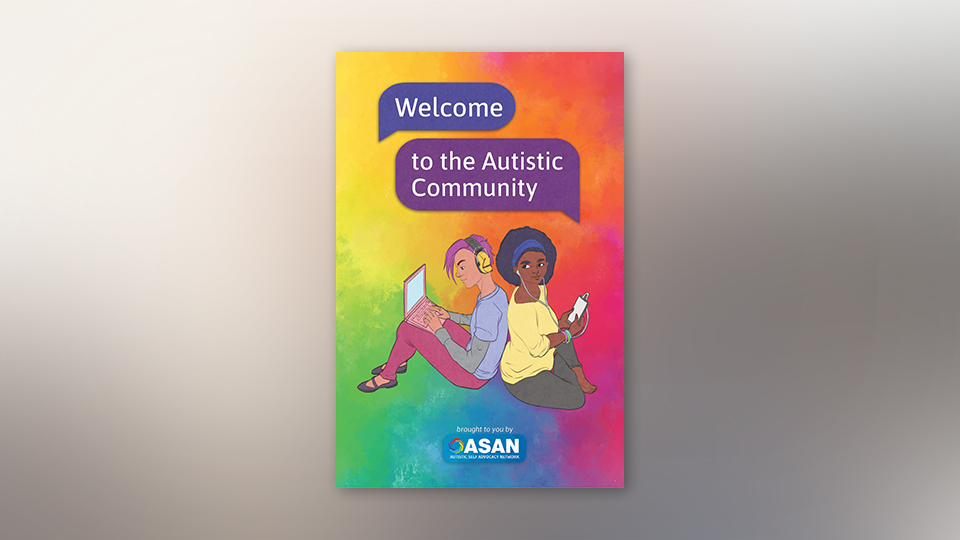
A welcoming, affirming guide written by and for autistic people. It helps young readers understand their identity, rights, and strengths — and feel connected to a wider community. Also available as a video.
Recommended Age: 12+ years
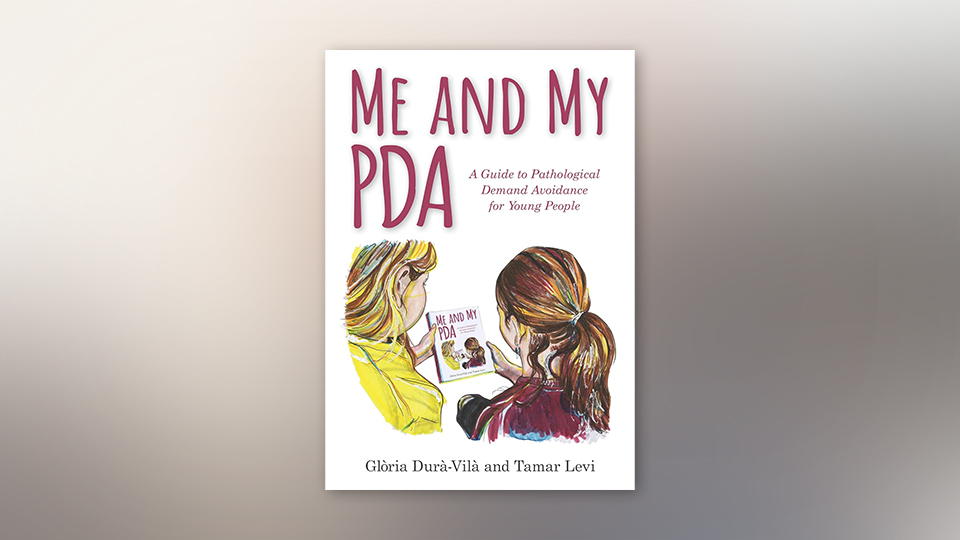
A compassionate, illustrated guide to understanding PDA for young people. It explores common experiences, emotions, and strategies — written in an
accessible and validating way.
Recommended Age: 9–14 years
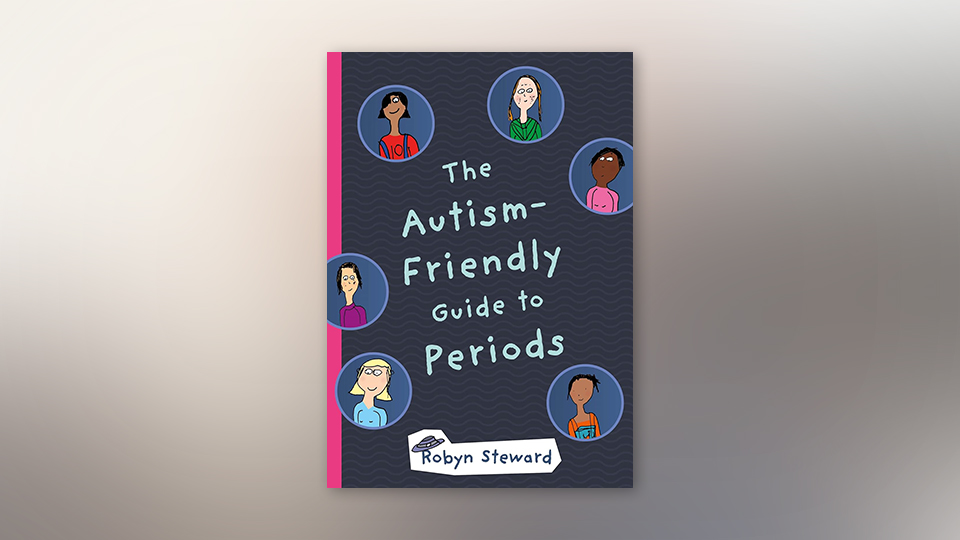
A clear, sensory-aware guide to understanding menstruation, written by an autistic woman for autistic young people. It includes practical tips, body awareness, and visuals to support learning.
Recommended Age: 9–15 years
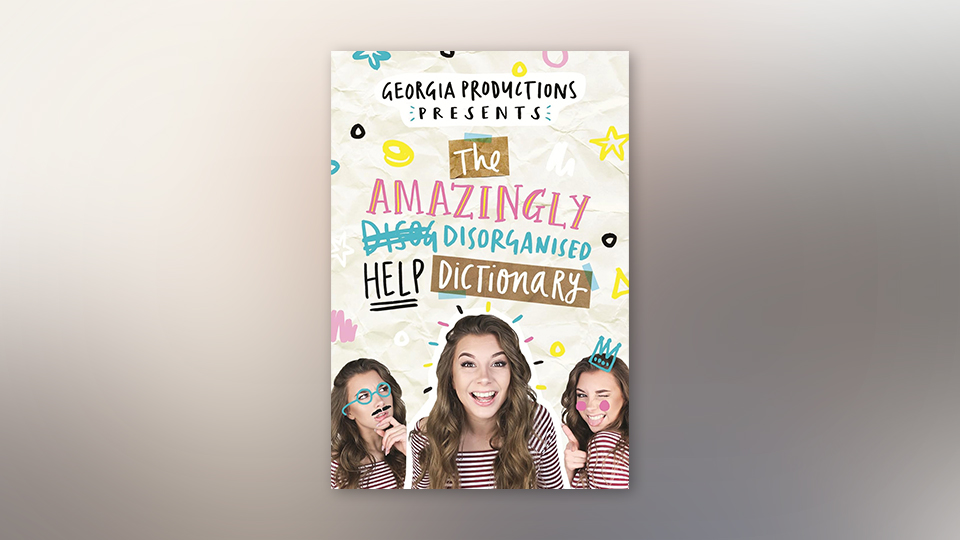
A humorous and honest book that embraces the chaos of growing up. Written by YouTube star Georgia Productions, it offers relatable advice and fun commentary on teen life — especially for those who feel a little ‘disorganised’.
Recommended Age: 10–14 years
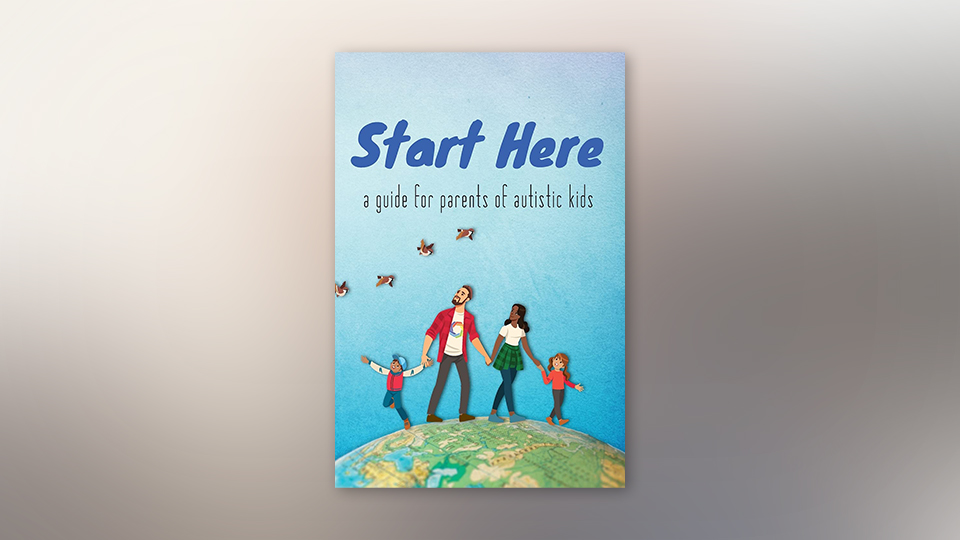
A practical, compassionate guide written by autistic adults to help parents of newly diagnosed children understand autism through a neurodiversity-affirming lens. This guide prioritises acceptance, respect, and empowerment from the very first steps.
Recommended Age: For parents and caregivers of autistic children
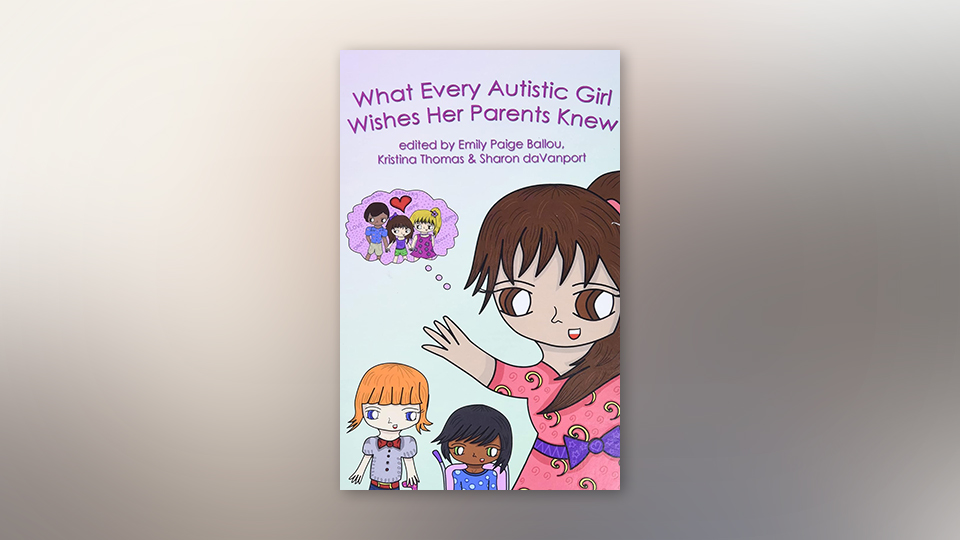
This powerful resource features real stories and advice from autistic women and nonbinary individuals, offering insight into what it’s like to grow up autistic — and what supportive parenting truly looks like.
Recommended Age: Parents, caregivers, and educators
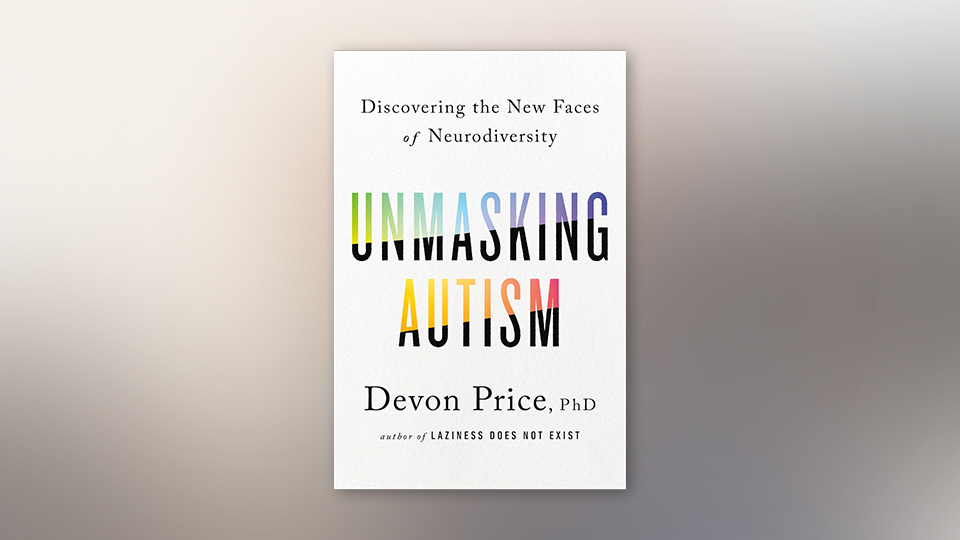
A groundbreaking book exploring how masking hides autistic identity, particularly among marginalised groups. Dr. Price offers tools for self-acceptance and ways to live authentically as a neurodivergent person in a neurotypical world.
Recommended Age: 16+ and Adults
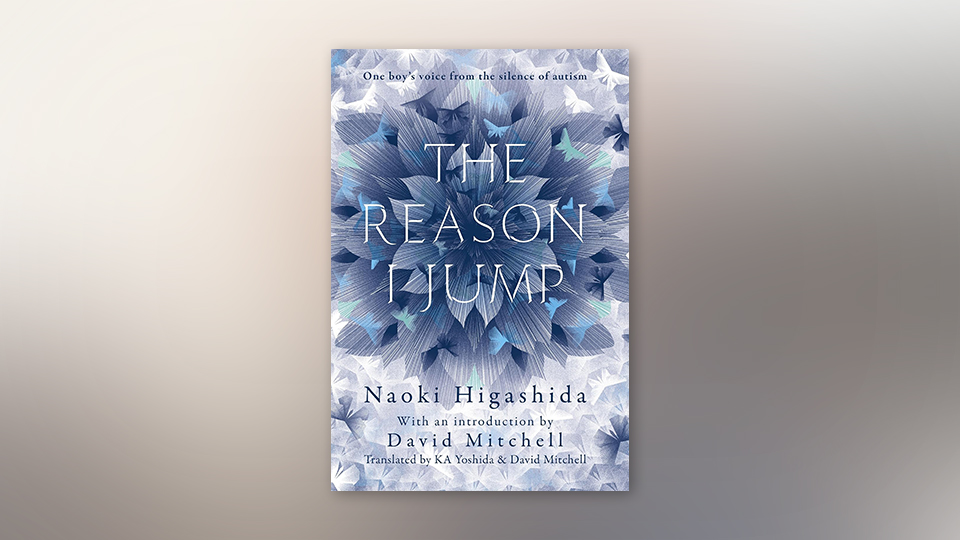
Written by a 13-year-old non-speaking autistic boy using an alphabet grid, this deeply moving memoir offers profound insights into how autistic people perceive the world, communicate, and experience emotion.
Recommended Age: Teens and Adults
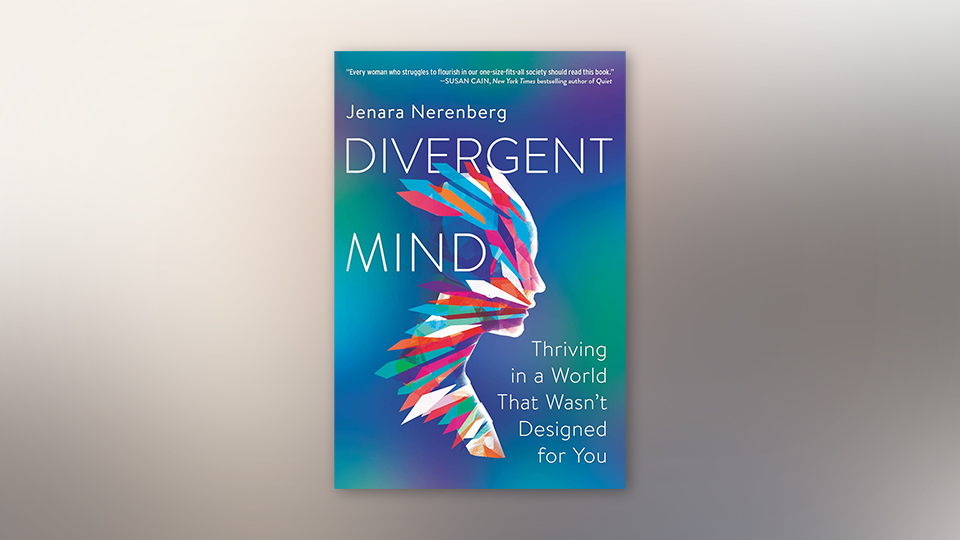
Focused on women and marginalised individuals, this book explores how neurodivergent minds often go undiagnosed and misunderstood. It redefines “normal” and offers an empowering call for inclusive workplaces, education, and relationships.
Recommended Age: Adults
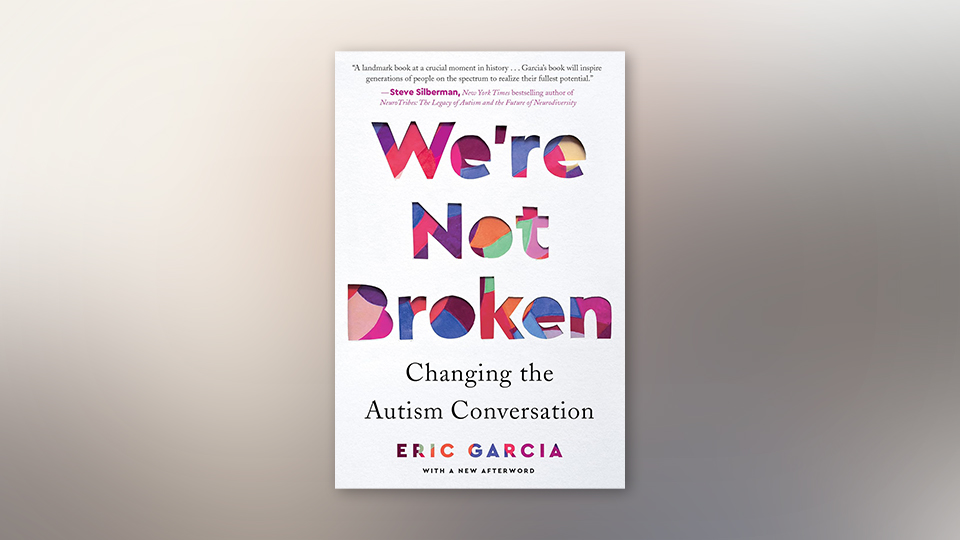
Written by an autistic journalist, this powerful book challenges misconceptions about autism and pushes for a more inclusive society. Through personal stories and political critique, it centres autistic voices and dignity.
Recommended Age: Teens and adults
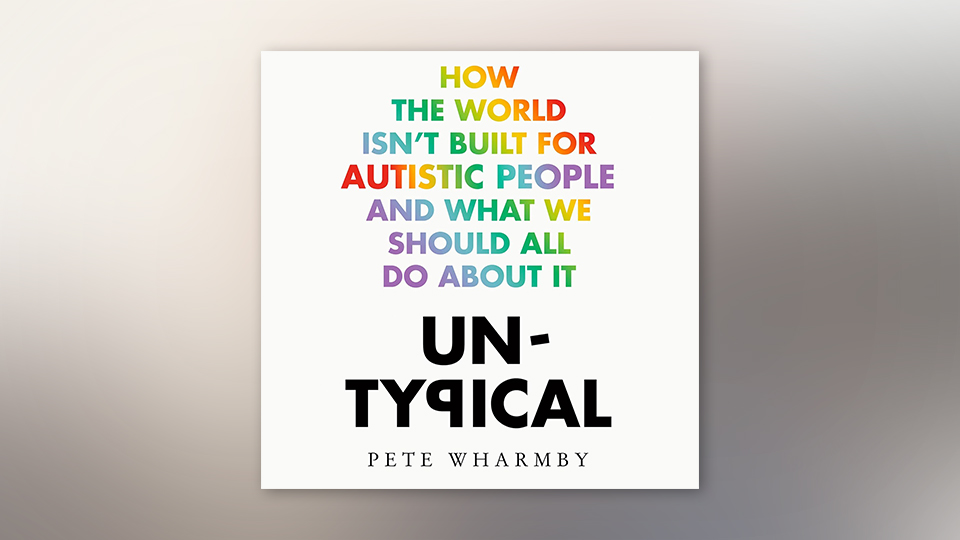
An autistic author and educator shares his experience of navigating a world full of barriers and proposes actionable changes for creating a more inclusive society. Insightful, urgent, and full of practical advice.
Recommended Age: Adults — Parents, Educators, Policy makers
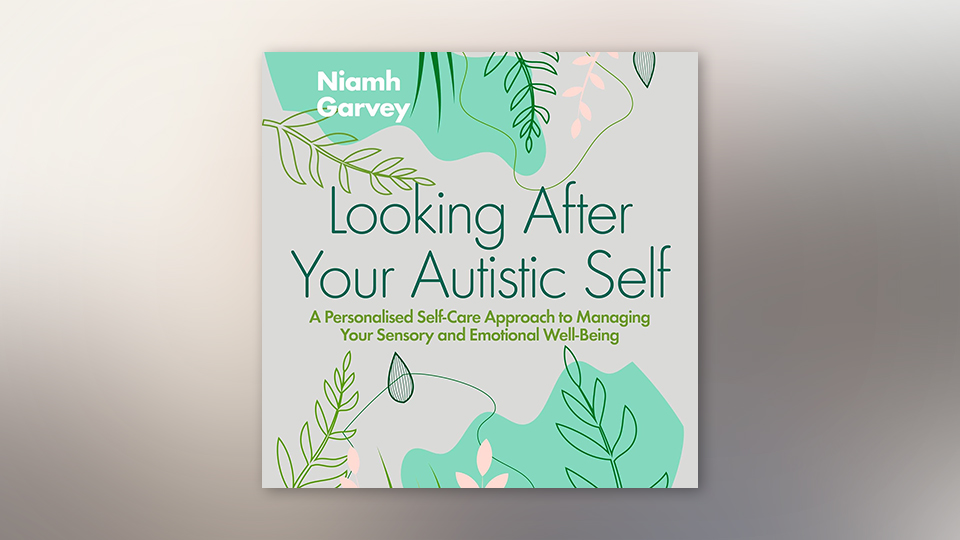
A gentle, practical guide created specifically for autistic individuals to develop a personalised self-care toolkit. This resource focuses on understanding sensory and emotional needs and supports readers to nurture themselves holistically.
Recommended Age: Teens and adults
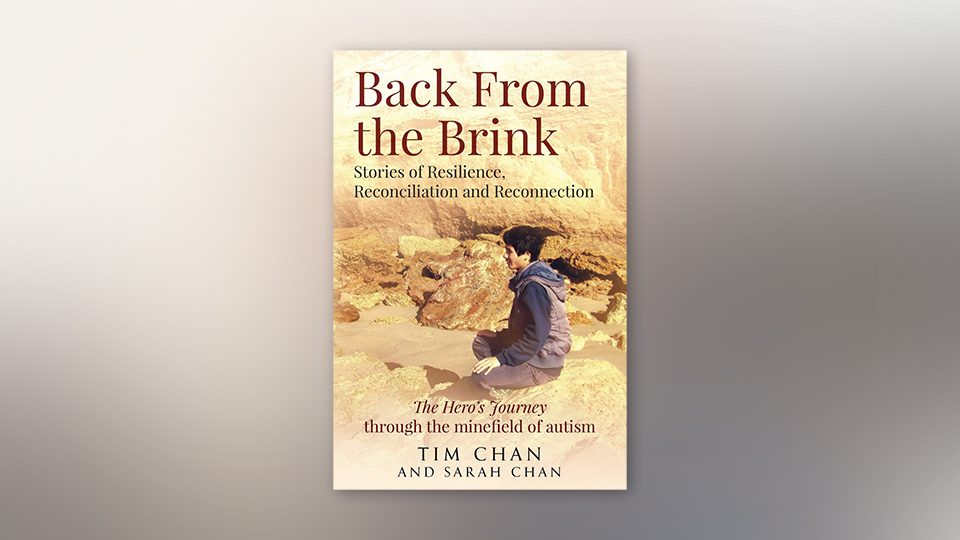
This powerful collection shares deeply personal stories from Tim Chan, a non-speaking autistic man, and his mother Sarah. It explores communication, family, and finding connection after challenge — a story of resilience and love.
Recommended Age: Adults, Parents, and Professionals
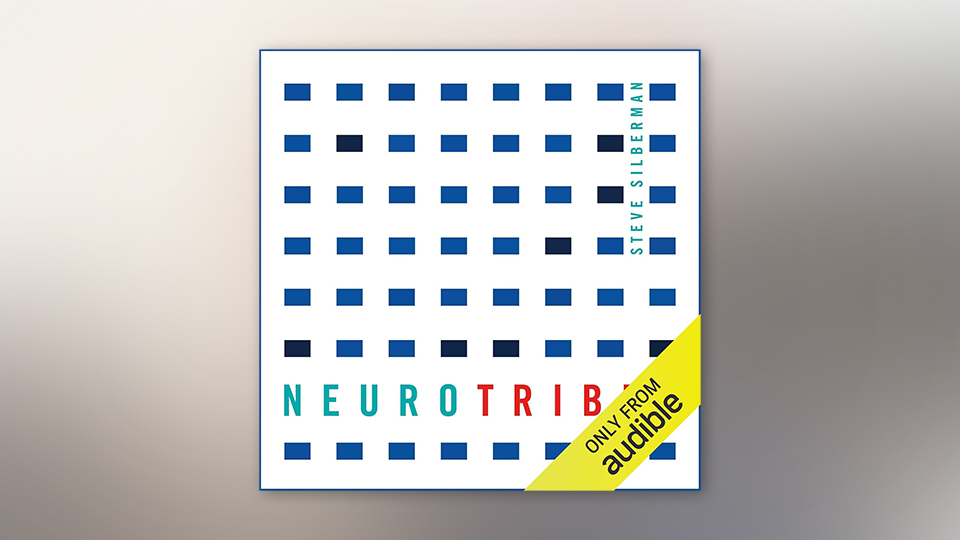
A comprehensive, award-winning history of autism, exploring how society has misunderstood and mistreated autistic people — and how neurodiversity offers a more inclusive way forward.
Recommended Age: Adults
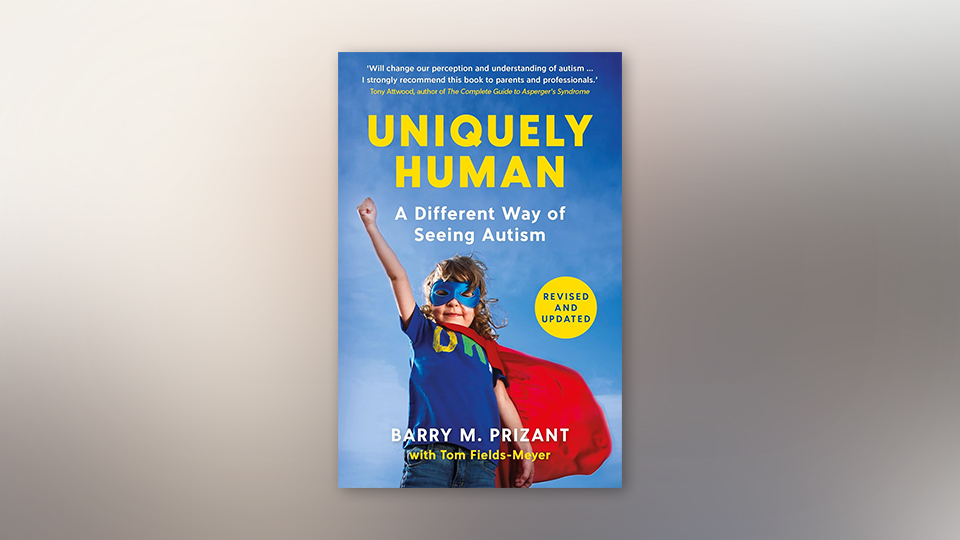
This groundbreaking book redefines autistic behaviours as meaningful coping strategies. With compassion and insight, it encourages parents and professionals to support rather than fix.
Recommended Age: Parents, Carers, Educators, and Clinicians
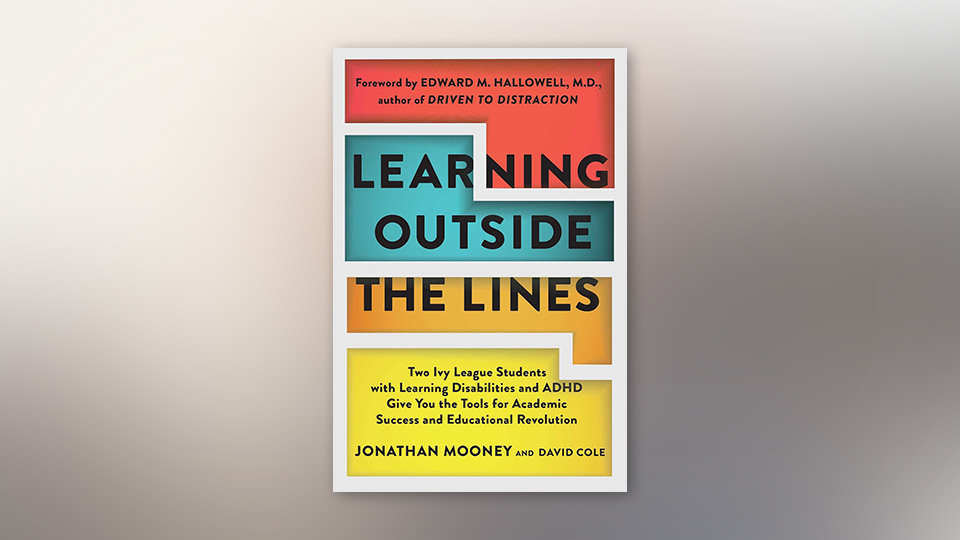
Written by two neurodivergent university students, this inspiring book is both a memoir and a practical manual for thriving academically while embracing difference.
Recommended Age: Teens, University Students, and Young Adults
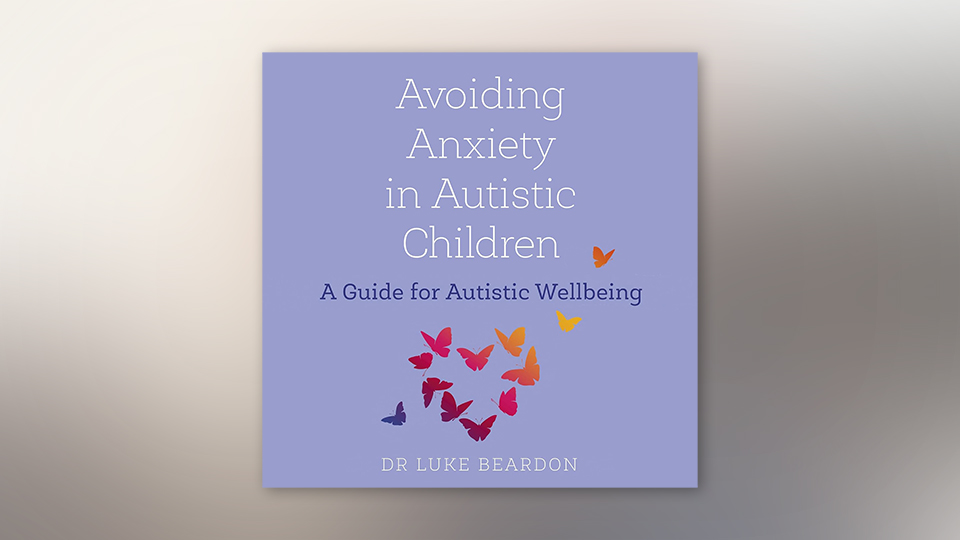
A neurodivergent-friendly guide offering actionable strategies to reduce anxiety in autistic children by understanding their needs, sensory profiles, and
perspectives.
Recommended Age: Parents, Educators, and Professionals
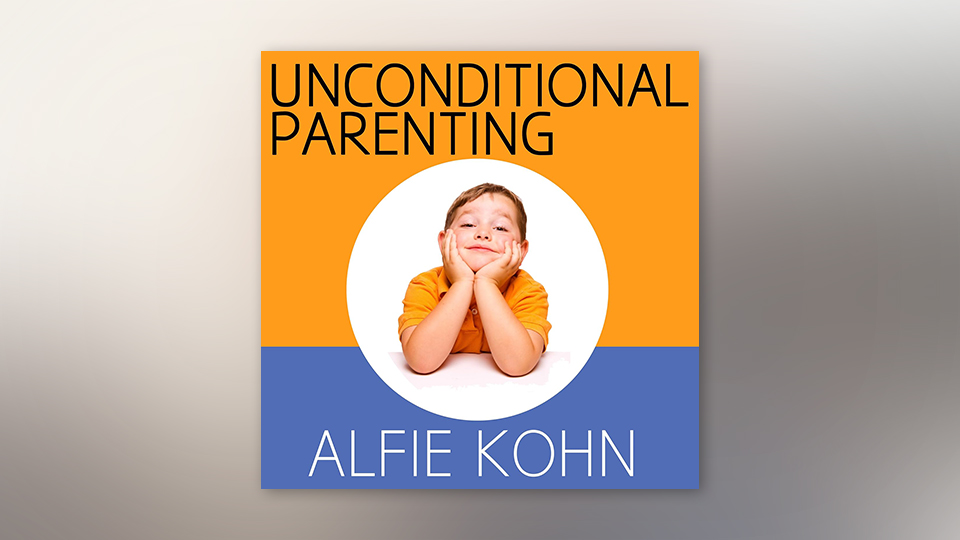
A provocative and deeply thoughtful parenting book that questions traditional discipline and proposes connection, empathy, and respect as the foundation for raising children.
Recommended Age: Parents, educators. Unconditional Parenting addresses the ways parents think about, feel about, and act with their children. It invites them to question their most basic assumptions about raising kids while offering a wealth of practical strategies
for shifting from ‘doing to’ to ‘working with’ parenting – including how to replace praise with the unconditional support that children need to grow into healthy, caring, responsible
people.
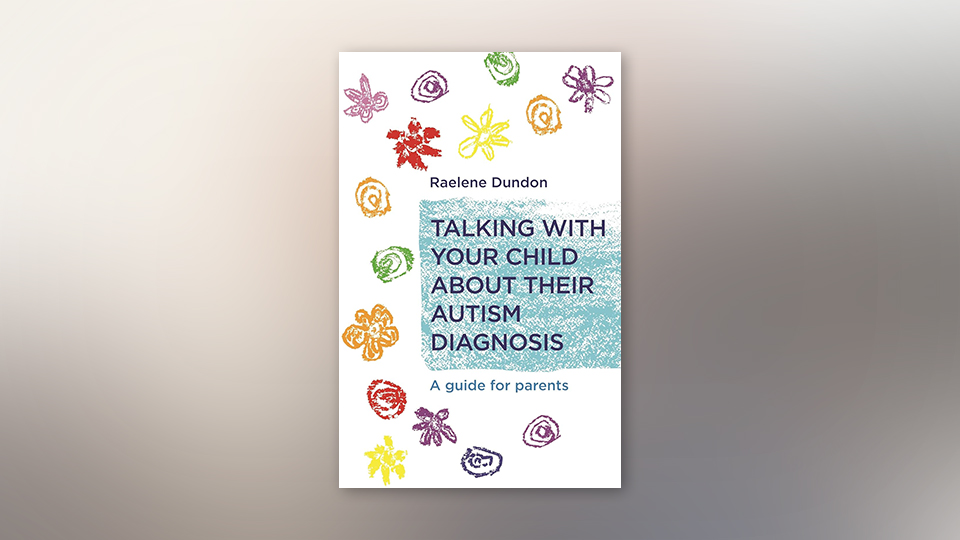
A supportive guide that helps parents approach conversations about autism with their child in ways that are age-appropriate, affirming, and grounded in acceptance. Telling your child about their autism diagnosis can be daunting. Will they be better off for knowing? What’s the right way to tell them? Should you inform anyone else too? As a mother of two children on the spectrum, with over ten years experience as a psychologist specialising in childhood autism, Raelene Dundon has all the tips you’ll need. In this concise book, she sets out case studies, examples and resources that will equip you to make your own informed choices and help your whole family to live well with autism.
Recommended Age: Parents and Carers
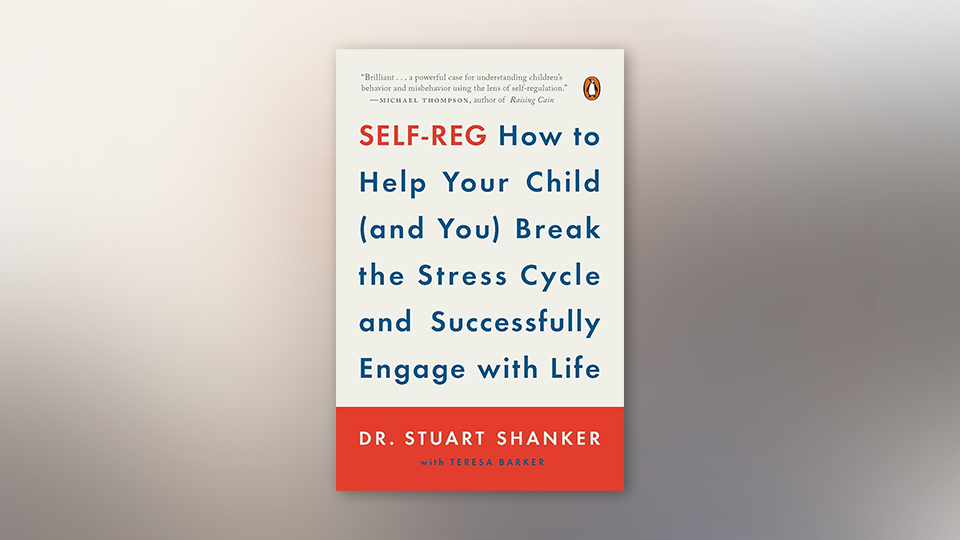
A science-backed, parent-friendly book that explains the brain-body connection and offers strategies to reduce stress, improve behaviour, and promote self-regulation in children. There’s no such thing as a bad kid. That’s what a lifetime of experience has taught Dr. Stuart Shanker. No matter how difficult, out of control, distracted, or exhausted a child might seem, there’s a way forward: self-regulation. Overturning decades of conventional wisdom, this radical new technique allows children and the adults who care for them to regain their composure and peace of mind.
Recommended Age: Parents, Educators
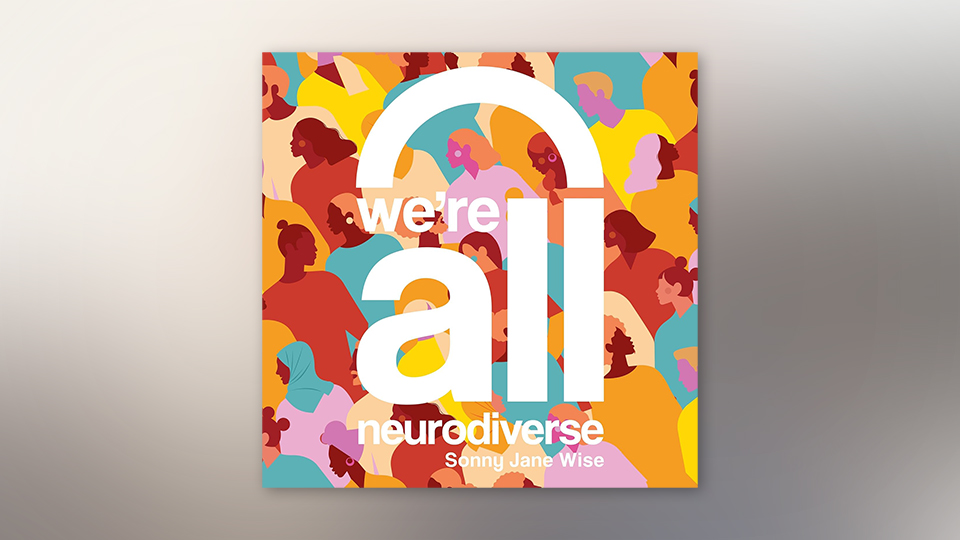
A powerful, inclusive exploration of neurodiversity from an intersectional, lived experience perspective. This book challenges stigma and promotes a more accepting world.
Recommended Age: Teens and adults
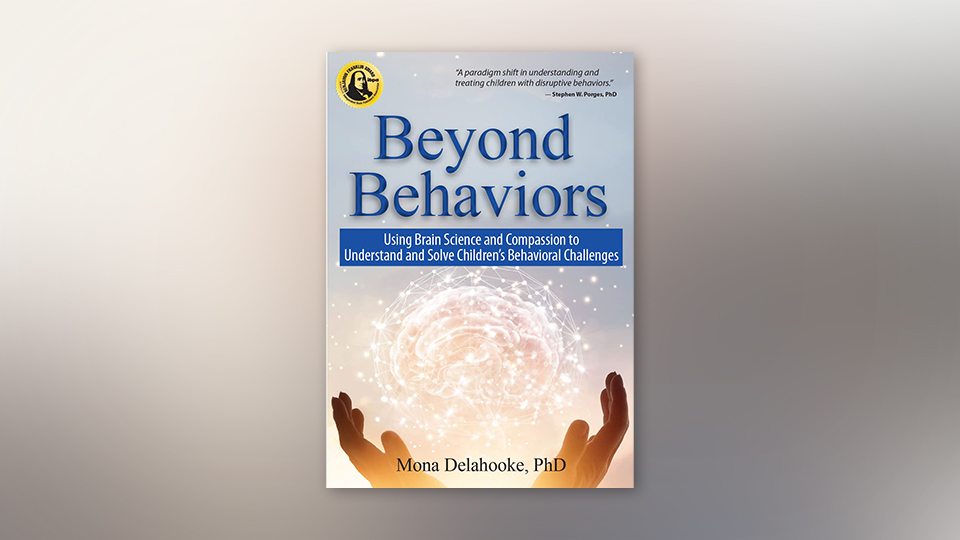
Beyond Behaviours, internationally known paediatric psychologist, Dr. Mona Delahooke, describes behaviours as the tip of the iceberg, important signals that we should address by seeking to understand a child’s individual differences in the context of relational safety.
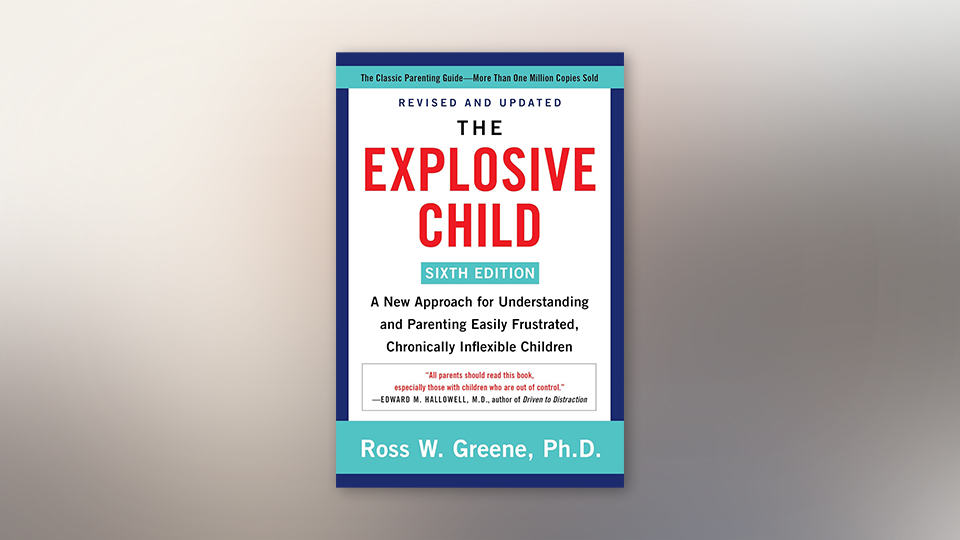
What’s an explosive child A child who responds to routine problems with extreme frustration―crying, screaming, swearing, kicking, hitting, biting, spitting, destroying property, and worse. A child whose frequent, severe outbursts leave his or her parents feeling frustrated, scared, worried, and desperate for help. Most of these parents have tried everything-reasoning, explaining, punishing, sticker charts, therapy, medication―but to no avail. They can’t figure out why their child acts the way he or she does; they wonder why the strategies that work for other kids don’t work for theirs; and they don’t know what to do instead.
Beyond Behaviours, internationally known paediatric psychologist, Dr. Mona Delahooke, describes behaviours as the tip of the iceberg, important signals that we should address by seeking to understand a child’s individual differences in the context of relational safety.
What’s an explosive child A child who responds to routine problems with extreme frustration―crying, screaming, swearing, kicking, hitting, biting, spitting, destroying property, and worse. A child whose frequent, severe outbursts leave his or her parents feeling frustrated, scared, worried, and desperate for help. Most of these parents have tried everything-reasoning, explaining, punishing, sticker charts, therapy, medication―but to no avail. They can’t figure out why their child acts the way he or she does; they wonder why the strategies that work for other kids don’t work for theirs; and they don’t know what to do instead.
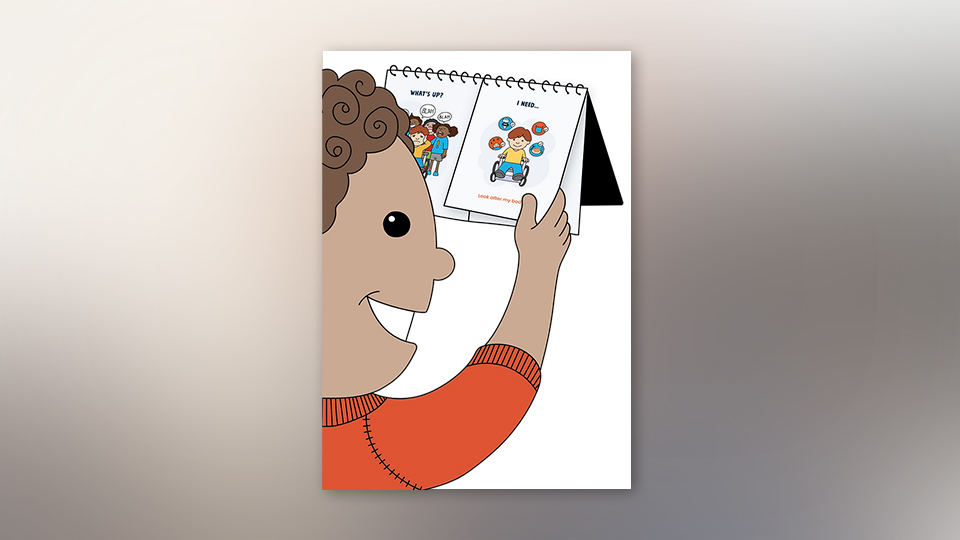
The Whats Up flipbook is a tool designed to promote emotional awareness and help a child communicate their needs to an adult. The mix-and-match flipbook is the brain child of Developmental Psychologist Sandhya
Menon
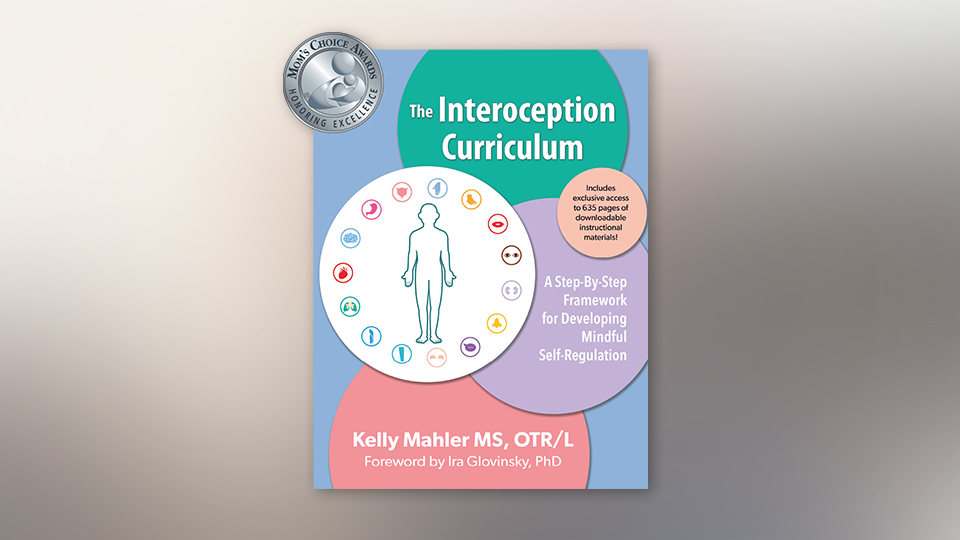
The Interoception Curriculum: A Step-by-Step Guide to Developing Mindful Self-Regulation by Kelly Mahler
Includes exclusive access to 635 pages of downloadable instructional materials.
Interoception is the ability to notice and connect bodily sensations with emotions. Research states that interoception is an important factor to the development of effective self-regulation skills within children, teens, and adults.
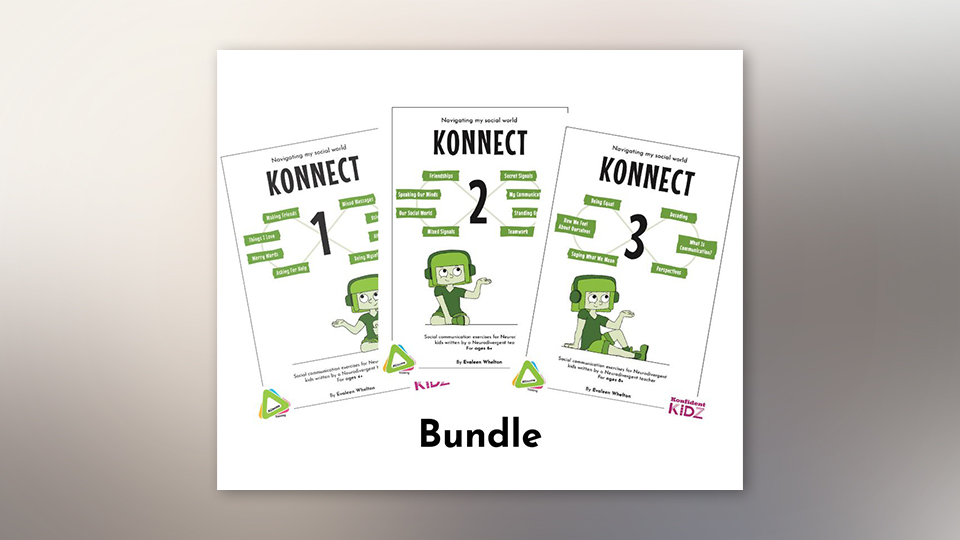
A wonderful series of social skills activity books for Autistic kids written by an
Autistic Teacher. It’s full of positive messages about autism and activities to help kids aged 4 plus navigate the non-autistic social world, while maintaining a positive self identity. They are the result of 44 years of living as an Autistic in a predominantly non-autistic world, 20 years of teaching and of 6 years of providing social skills courses for children and training for parents and professionals.
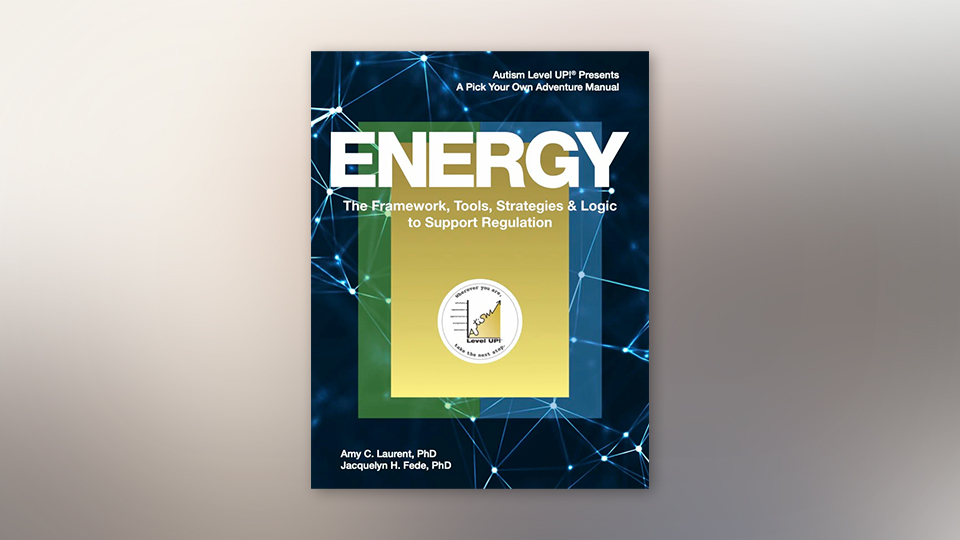
Discover the true power of regulation with Energy: The Framework, Tools,
Strategies, Logic. Forget about the buzzwords and clichés – we’ll show you how to harness your energy and use it to your advantage. Don’t just ‘regulate’ your emotions, level up your energy for a more authentic and affirming approach.
Who else are we learning from?
Learn from the lived experiences of individuals, parents, and professionals. These voices bring authenticity, insight, and real-world perspective to the Village.
Tune into conversations that matter. These podcasts and videos share lived experiences, practical strategies, and fresh perspectives on learning, connection, and care.
Do you have a suggestion?
Is there someone we should be learning from?
A resource that changed your thinking?
A book, podcast, or voice we’ve missed?
This Village grows with your input.